Areas of Focus
Repetitive Strain & Musculoskeletal Conditions
Pulse OT specializes in the evaluation and treatment of repetitive strain and musculoskeletal conditions affecting the hand, wrist, elbow, and shoulder. These conditions often develop gradually over time as a result of repetitive loading, sustained postures, movement inefficiencies, and cumulative stress placed on the body during work, exercise, caregiving, and everyday activities.
What is a Repetitive Strain Injury?
A repetitive strain injury (RSI) occurs when muscles, tendons, nerves, and other soft tissues are exposed to repeated stress over time. While symptoms are often felt at the site of pain, the underlying contributors frequently extend beyond the affected joint.
At Pulse OT, we recognize that subtle changes in posture, alignment, load transfer, and movement patterns can influence how forces are distributed throughout the upper extremity. Over time, these small inefficiencies may contribute to irritation, pain, and dysfunction.
Conditions Commonly Treated
• Carpal Tunnel Syndrome (non-operative)
• De Quervain’s Tenosynovitis
• Tendonitis of the wrist, forearm, elbow, and shoulder
• Tennis Elbow (Lateral Epicondylitis)
• Golfer’s Elbow (Medial Epicondylitis)
• Cubital Tunnel Syndrome
• Thoracic Outlet Syndrome
• Rotator Cuff Tendinopathy
• Intersection Syndrome
• Biceps and Triceps Tendonitis
• Ulnar Nerve Entrapment
• Radial Tunnel Syndrome
• Myofascial Pain Syndromes
• Scapular Dyskinesia
• Postural and Movement Dysfunction
Our Approach
Treatment extends beyond the site of pain. Through comprehensive evaluation and movement analysis, we identify the factors contributing to excessive strain and impaired function.
Areas of focus may include:
• Core and proximal stability
• Postural control and alignment
• Movement patterns and biomechanics
• Load distribution throughout the upper extremity
• Ergonomics and daily habits
• Functional movement and activity performance
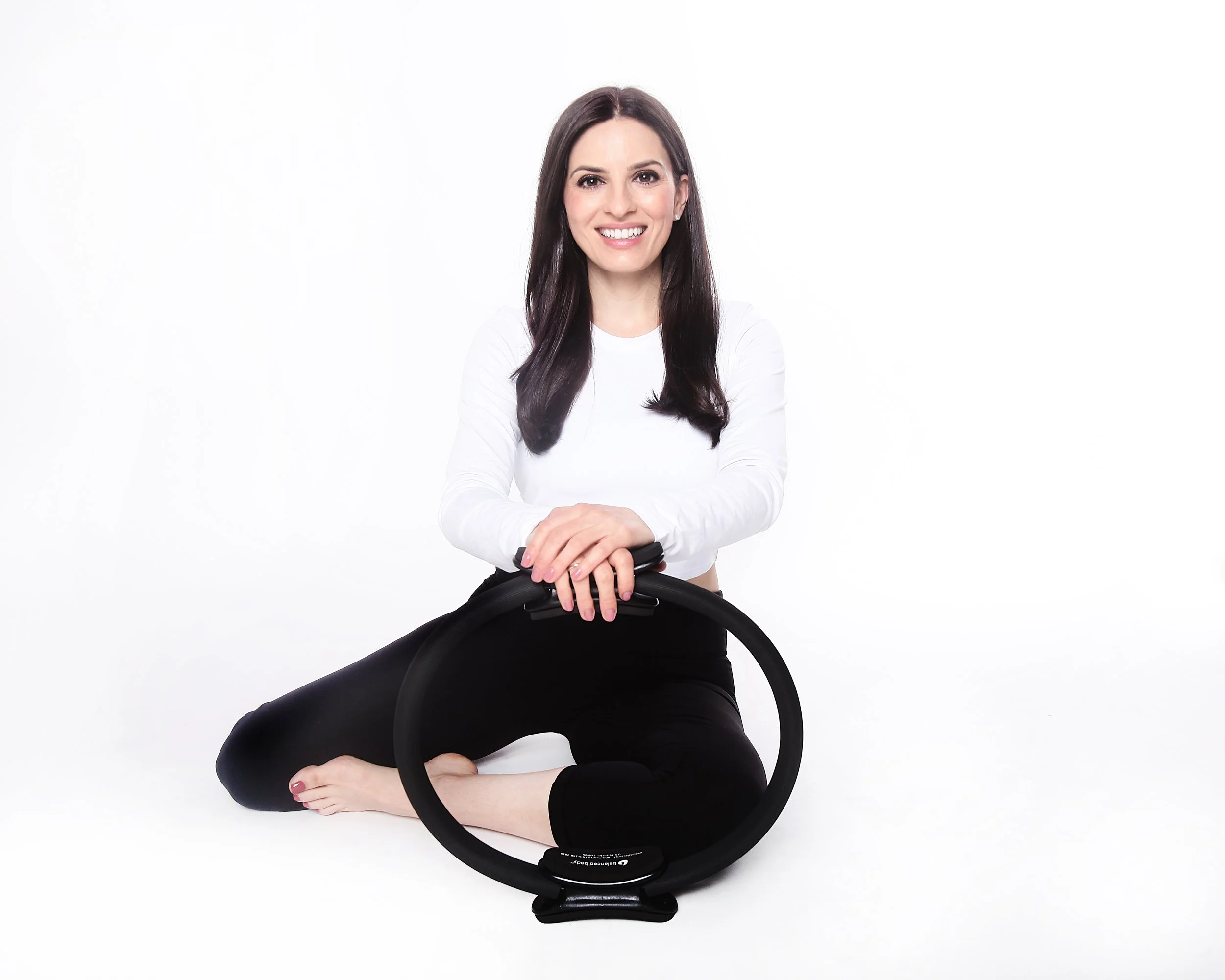
Every treatment plan is individualized and delivered through one-on-one care. Interventions may incorporate hands-on therapy, neuromuscular re-education, therapeutic exercise, and Pilates-based rehabilitation principles to support efficient movement, restore meaningful function, and promote long-term movement wellness.